
Liver immunology and infection prevention, from discovery to market
Dr Zania Stamataki’s lab at the University of Birmingham builds human tissue models for drug discovery and tests antivirals, vaccines, antibodies and antimicrobials.
Our research is part of the diverse translational ecosystem of the NIHR Biomedical Research Centre: Birmingham, which translates new scientific discoveries into treatments and diagnostics to improve people’s health. See our latest news.

What we do
Liver Immunology
We study how immune cells shape, and are shaped by, the human liver. We discovered enclysis, a process in which liver cells engulf and destroy regulatory T cells, opening new therapeutic targets in autoimmune and viral hepatitis, inflammation and cancer.

We are part of the Centre for Liver and Gastrointestinal Research and the Department of Immunology and Immunotherapy, at the University of Birmingham.

We also investigate children’s liver disease funded by Birmingham Women’s and Children’s NHS Foundation Trust charity, in collaboration with:
- Consultant Paediatric Hepatologist and Founding Director of Birmingham Children’s Hospital’s Liver Unit Professor Deirdre Kelly CBE DL
- Consultant histopathologist Dr Rachel Brown.

Infection prevention and translation
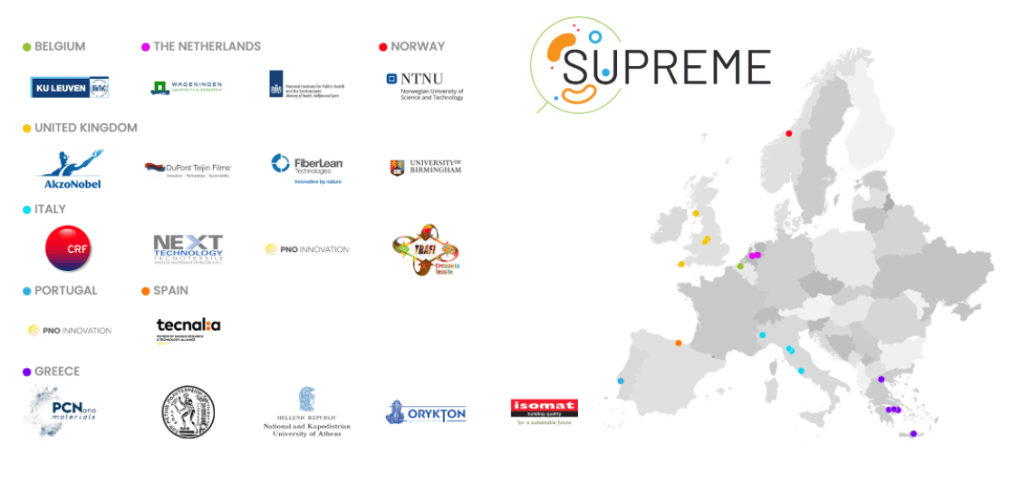
We lead virology for SUPREME, a £5.46M Horizon Europe/UKRI consortium developing sustainable antimicrobial materials, and provided the antiviral validation behind the NoriZite nasal spray, now sold in more than ten countries. Our work spans vaccines, neutralising antibodies, diagnostics and new antivirals.
Partnerships and programmes
We work with AstraZeneca, Celentyx Ltd. and other industry partners, and with universities in Thailand, Egypt, Indonesia and China. Zania co-led a 23-project funding portfolio for Wellcome’s £1M ASPIRE programme and is a member of the Academy of Medical Sciences’ FLIER programme.
Why the liver matters
Liver disease kills more people than diabetes and road accidents combined, and deaths due to liver disease are projected to rise over the coming years (see report by Liver UK for latest numbers) and older UK perspective at the Lancet). We aim to understand how to reduce immune mediated liver damage in order to identify new cellular and molecular targets for therapeutic interventions.
Donated liver explants are vital for our research, which would not be possible without the consent of patients that undergo life-saving operations at the Queen Elizabeth hospital transplant unit. Tissue reaches our lab within hours, so our models reflect real human biology.
What is it like to be listed for transplantation? Alan Hyde discusses his experience here.

Work with us
We welcome collaborations with industry, global health partners and clinicians, and enquiries from prospective students and fellows. Get in touch →

