
For news and events from our lab please visit our gallery link.
In the News
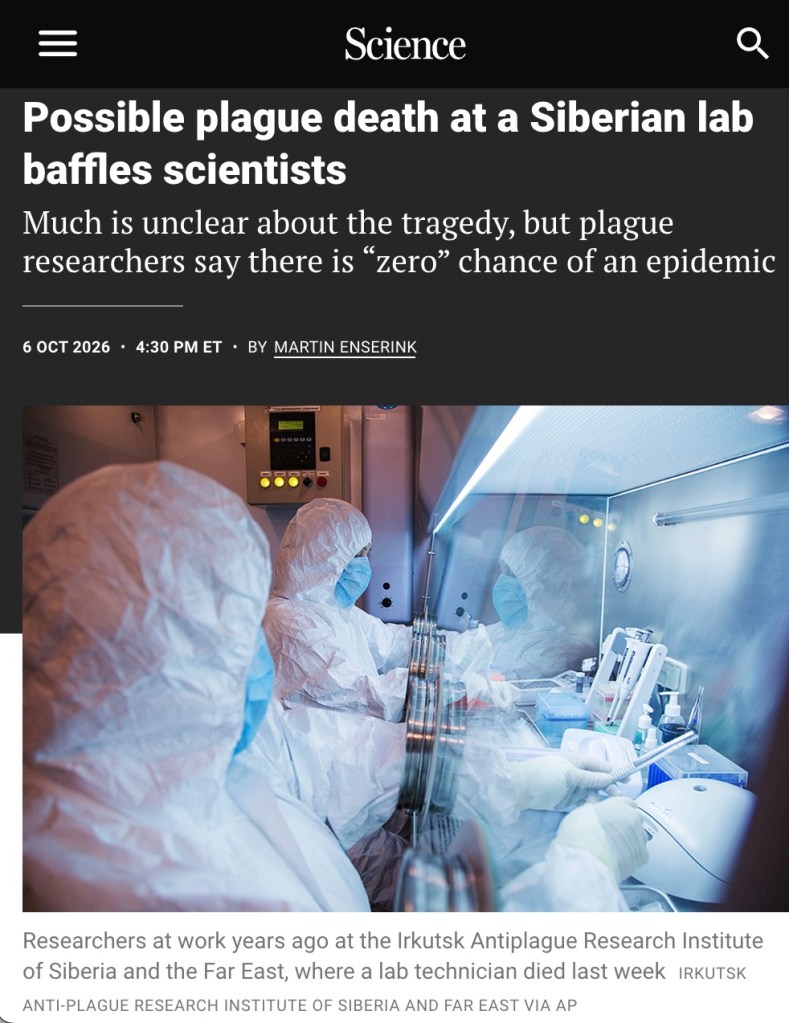
Science: Thoughtful piece by Martin Enserink in Science on the suspected plague incident in Siberia, highlighting the consensus that “much is unclear about the tragedy, but plague researchers say there is ‘zero’ chance of an epidemic.”
Regardless of what transpired, “The death of a fellow laboratory scientist in Irkutsk is a terrible loss, and my thoughts are with her family and her colleagues,” viral immunologist Zania Stamataki of the University of Birmingham said in a statement.
Today, plague has become rare, with between 1000 and 2000 cases typically reported annually, the majority of them in Madagascar and the Democratic Republic of the Congo. But the bacterium remains widespread in many animal species in Russia, Mongolia, China, and the western United States, occasionally spilling over to humans. Full article doi: 10.1126/science.zonw7s7
The BMJ: Dr Zania Stamataki reports that in the UK, work on Yersinia pestis is governed by strict safety and security protocols.
“Those controls work, which is why laboratory acquired infections with this organism are rare,” she said.
“They are not impossible, and this is why an incident warrants a full account of what happened.”
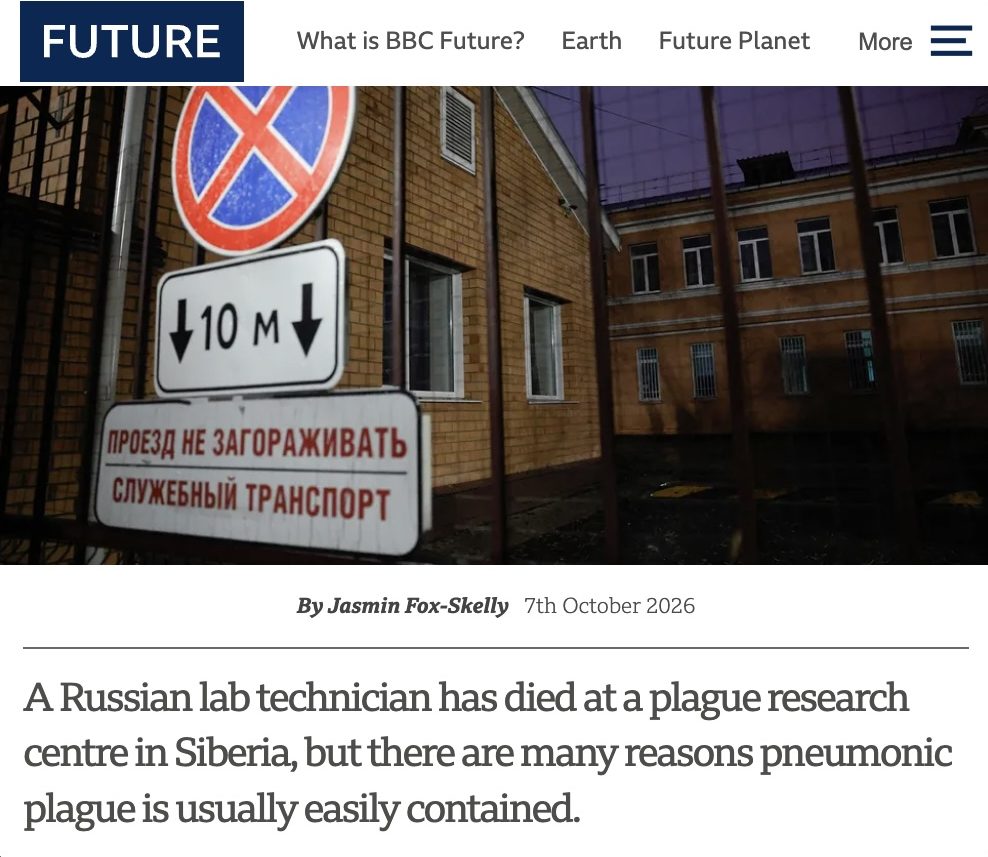
BBC FUTURE Health: Dr Zania Stamataki contributes to a piece by Jasmin Fox-Skelly as Containment Level 3 expert.
Generally speaking, transmission in a laboratory environment is an extremely rare event, as protocols are usually in place to prevent accidental exposure. “These are very specialised labs,” says Stamataki. “There are layers and layers of protection.”
The World Health Organisation, announced the organisation’s initial risk assessment as “moderate to low for Irkutsk, a low risk for the Russian Federation as a whole and very low for the WHO European region”.
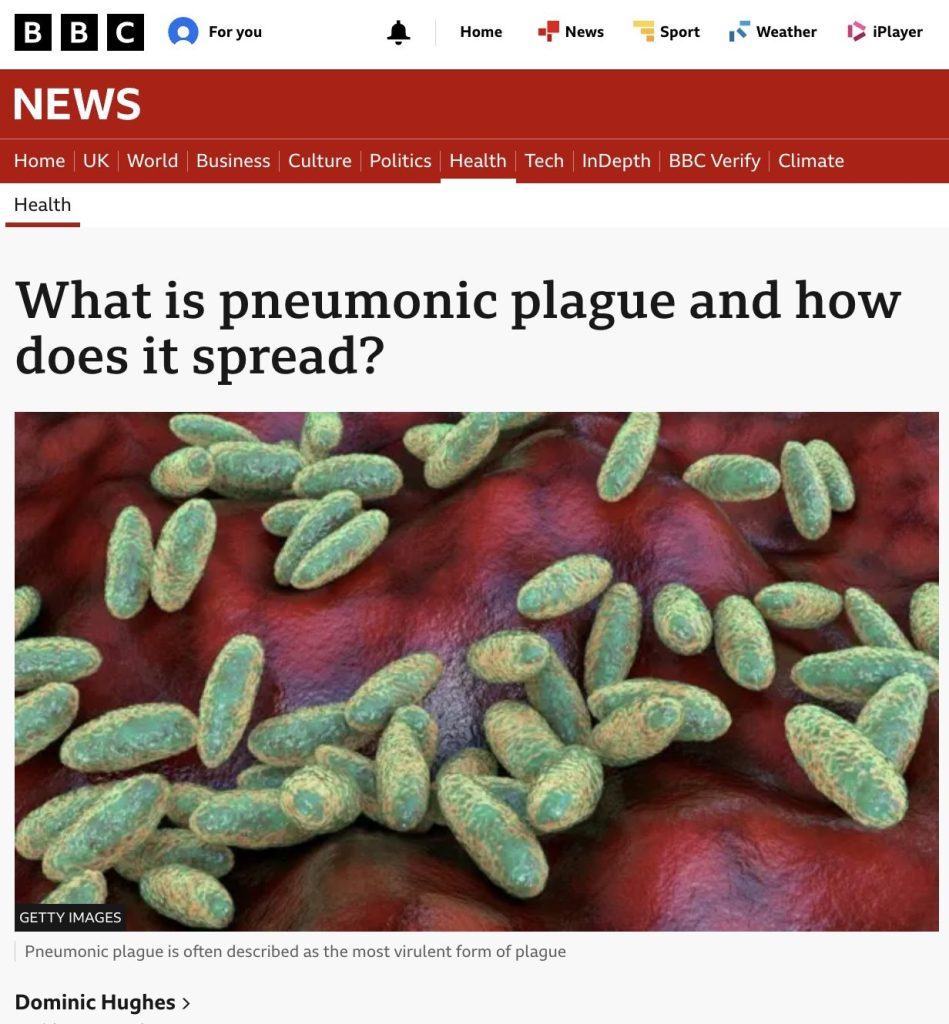
BBC News: Dr Zania Stamataki, Associate Professor of Viral Immunology at the University of Birmingham, says it is important that researchers are able to study diseases like plague.
“Plague is not a historical disease. It remains endemic in rodent populations across Africa, Asia and the Americas, and human cases occur every year, including outbreaks of the pneumonic form.”
“Diagnostics, vaccine development and surveillance for antibiotic resistance all require laboratories that hold and study the live organism.
“This work is vital to prepare against outbreaks.”

BBC News: Dr Zania Stamataki and Professor Sheena Cruickshank contribute to Josh Elgin’s piece on freshers’ flu, the combination of respiratory diseases affecting freshers at university.
Freshers’ flu is a term used to describe various respiratory viruses that can cause the common cold. Although there are vaccines for influenza, there are no vaccines available for common cold viruses.

BBC News: Exciting update to extend the use of NoriZite Spray, discovered by Liam Grover and Richard Moakes! We were thrilled to offer the antiviral testing for this product. You can read the paper here and the article here.
Scientists in Birmingham say they are close to launching a new hay fever spray treatment that grew out of work on Covid.
During lockdown, a group of material scientists and chemists at the University of Birmingham created a nasal spray to block the virus from entering our bodies though the membranes inside our noses.
The idea developed into a successful commercial product, which customer feedback reported also blocked pollen and pollution.
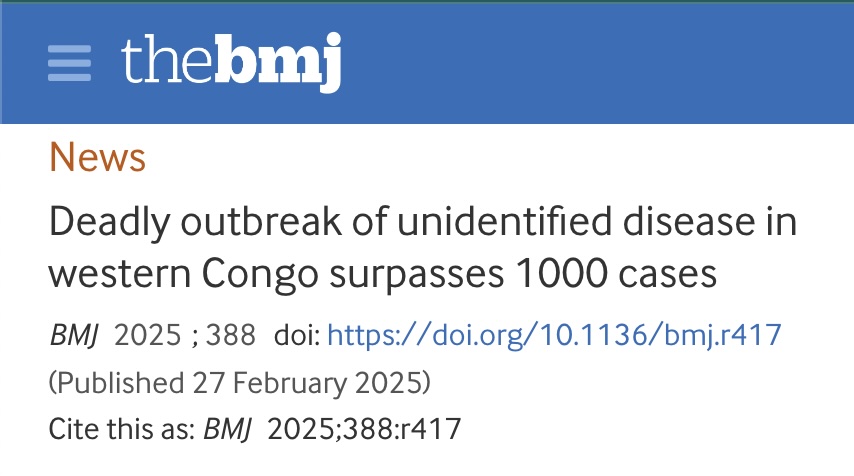
The BMJ: Dr Zania Stamataki commented on the lethal outbreak of unidentified disease in the DRC, discussing acute haemorrhagic symptoms, the exclusion of Ebola/Marburg, and zoonotic risk factors.
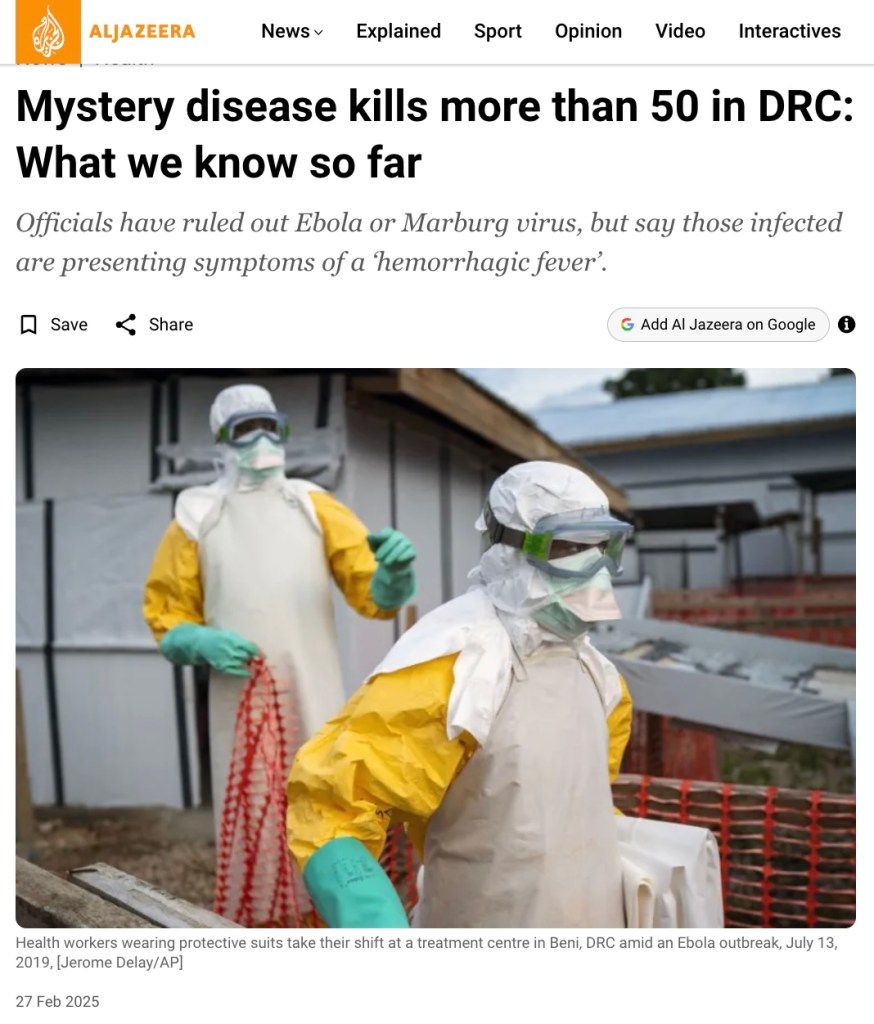
Al Jazeera: Dr Zania Stamataki contributed expert analysis to an explainer covering the unidentified lethal haemorrhagic disease in the Democratic Republic of the Congo.
According to the WHO, symptoms of the disease suggest it belongs to a group of diseases called viral hemorrhagic fevers (VHF), meaning they cause excessive sickness and blood loss. Recognised examples of such diseases include Ebola, Lassa fever and Marburg virus.
Read the piece here.
Dr Stamataki writes for The Conversation

Dr Stamataki writes for the Guardian

Networking -Academy for Medical Sciences

Dr Zania Stamataki and Professor Julie Williams CBE FMedSci FLSW share their top tips on networking with confidence and achieving your goals, in this article by Dr Katarina Kolaric.
In the News

BBC News: Commenting on exciting research from the University of Cardiff for @bbchealth : stable ‘mirror image’ molecules in T cell vaccine design for influenza http://www.bbc.co.uk/news/health-43385777 …

Royal Society Diversity Conference: discussing ideas on how to create a more inclusive research culture at the day themed: Breaking down barriers in science. Thank you to all those who tweeted their opinions! See the full story here.


Times Higher Education article by Jack Grove on the selection of 20 female scientists to take part in SUSTAIN, a programme to help more women achieve senior research positions.
SUSTAIN is a new programme that will work with women researchers to enable them to thrive in their independent research careers. It provides an innovative programme of training and support to develop participants’ leadership and career potential.
Announcement of the programme has also been reported by a press release by the Royal College of Physicians.

BBC Radio 4 report by Dave McMullan for the Pint of Science event managed by Charlie Pinder and Nick Hawes called Robots on the Loose.
Zania is commenting here on how public engagement events can be successful in demystifying science jargon (3’40”).
Links
BSI British Society for Immunology -Visit our West Midlands Regional Group
Join us at the:
2ND ANNUAL WEST MIDLANDS BSI GROUP SYMPOSIUM
12 November Bramall Music Hall, University of Birmingham
BASL British Association for the Study of the Liver
EASL European Association for the Study of the Liver
AASLD American Association for the Study of the Liver
BSG British Society of Gastroenterology
SGM Society for General Microbiology
RIVR Recently Independent Virology Researchers
British Liver Trust registered charity that launched the Love Your Liver campaign
Academy of Medical Sciences independent body in the UK representing the diversity of medical science
Labguru Research management platform owned by a sister company to Nature Publishing Group.
Athena SWAN charter for equality and support for academic career progression
WAMS Women in Academic Medicine and Science at the University of Birmingham
Aurora Leadership Programme Leadership Foundation for Higher Education

